
A speed bump is a physical traffic-calming device mounted on the road surface to bring vehicle speeds down to a safe level. Car parks, housing-estate entrances, school and hospital zones and factory sites are the most common application areas.
Rubber Speed Bumps
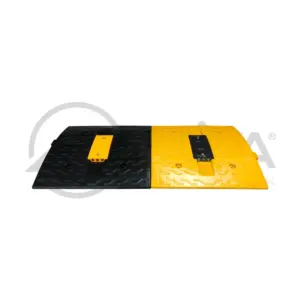
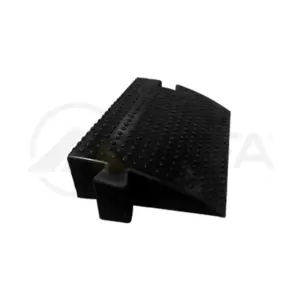
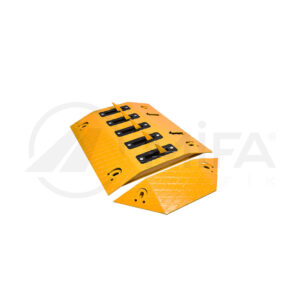
Rubber speed bumps control speed without damaging either the vehicle or the road thanks to their impact-absorbing structure. They withstand hot and cold weather, UV exposure and heavy vehicle traffic. Yellow reflective sections increase visibility at night. Because they are produced as modular segments, they can be extended to match any road width.
Plastic Speed Bumps
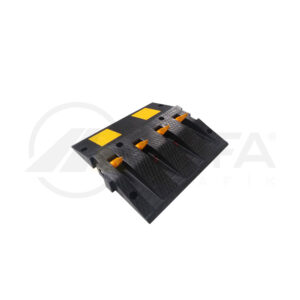
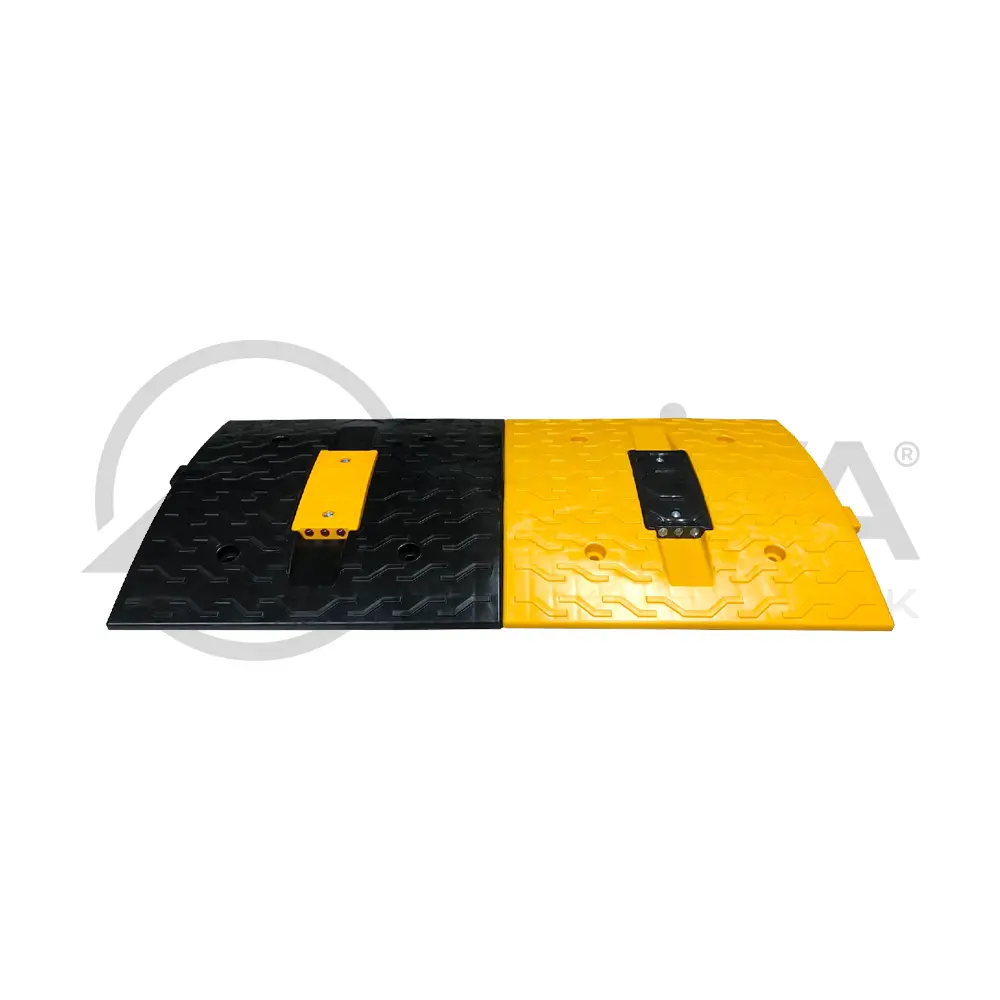
Plastic speed bumps are more economical and lightweight; they are easy to install and relocate. They are ideal for internal site roads and car parks with moderate traffic. The yellow-black modular pattern is recognized by drivers from a distance.
How to Choose the Right Speed Bump
- Target speed: choose a high-profile bump for 10-20 km/h and a wide, low-profile cushion for 30 km/h.
- Vehicle type: roads used by trucks and buses require high load-capacity models.
- Surface: asphalt and concrete need different anchor and screw sets.
- Visibility: reflective models reduce night-time accidents.
Installation Tips
Position the bump several metres before pedestrian crossings and junctions, and support it with a warning sign in advance. Modules should be installed without gaps and finished with end caps.
See our speed bump range for size and capacity options, or request a quote with your measurements.