
What Is a Delineator? Uses, Types and Installation
Monday, 13 July 2026
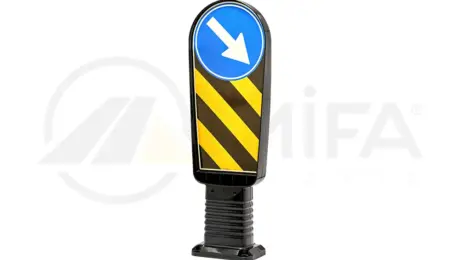
A delineator is a flexible traffic safety device mounted on the road surface to guide drivers and separate lanes. Also known as a lane separator, a delineator provides high visibility at night and in bad weather thanks to its reflective bands, and it bends and recovers its shape when hit by a vehicle. What Does
- Published in Traffic Safety
No Comments
Types of Speed Bumps: Rubber or Plastic?
Thursday, 09 July 2026
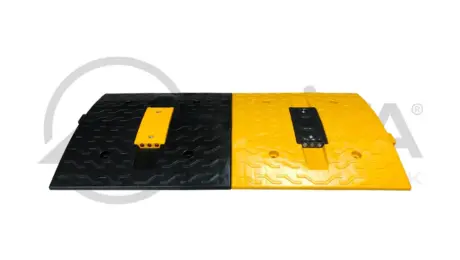
A speed bump is a physical traffic-calming device mounted on the road surface to bring vehicle speeds down to a safe level. Car parks, housing-estate entrances, school and hospital zones and factory sites are the most common application areas. Rubber Speed Bumps Rubber speed bumps control speed without damaging either the vehicle or the road
- Published in Traffic Safety
How to Choose a Traffic Safety Mirror for Junctions and Car Parks
Sunday, 05 July 2026
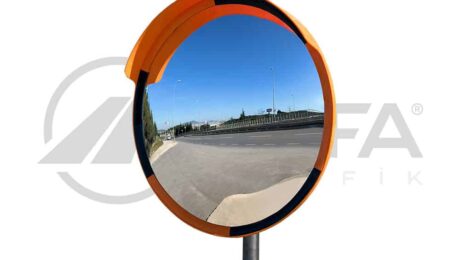
A traffic safety mirror is a convex mirror that makes blind spots visible to drivers. It is one of the most economical ways to prevent accidents at narrow junctions, car park exits, sharp bends and warehouse yards. How to Determine the Mirror Diameter The diameter is chosen according to the distance between the driver and
- Published in Traffic Safety
Car Park Wheel Stops: Rubber or Steel?
Wednesday, 01 July 2026
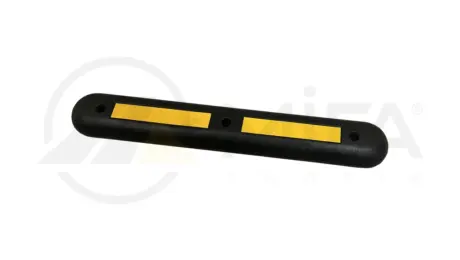
A wheel stop is a floor-mounted safety device that prevents vehicles from hitting walls, columns or other cars during parking manoeuvres. Choosing the right wheel stop protects both the vehicles and the structure of the car park. Rubber Wheel Stops Rubber wheel stops absorb the impact and stop the vehicle without damaging the tyre or
- Published in Traffic Safety
What Are Road Studs (Cat’s Eyes)? Types and Uses
Saturday, 27 June 2026
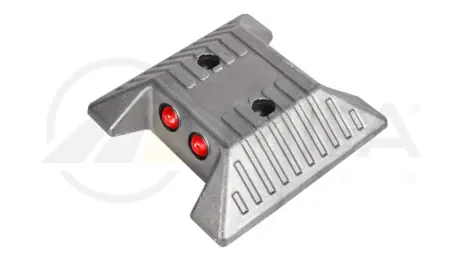
A road stud, commonly known as a cat’s eye, is a small but highly effective traffic safety product mounted on the road surface to keep lane lines visible at night. Its reflectors bounce headlight beams back to the driver, making lane keeping much easier. Types of Road Studs Plastic road studs: economical and light; a
- Published in Traffic Safety
Traffic Cone Uses and How to Choose the Right Cone
Tuesday, 23 June 2026
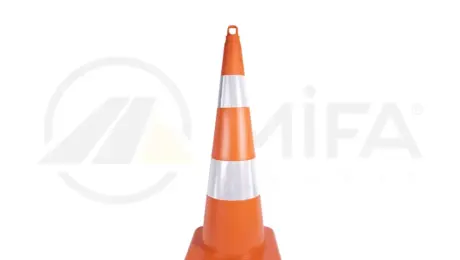
The traffic cone is the most practical tool for temporary traffic management. Thanks to its portability you can close off an area, guide drivers and create a safe working zone within seconds. Where Are Traffic Cones Used? Lane narrowing during road maintenance and infrastructure works Marking accident and breakdown locations Events, convoys and driver training
- Published in Traffic Safety
Stop Parking Space Misuse with Lockable Parking Posts
Friday, 19 June 2026
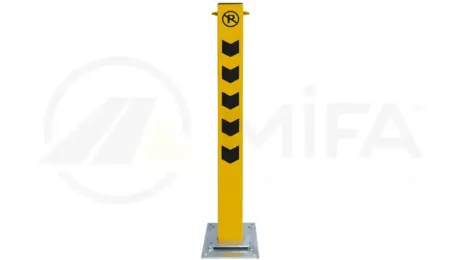
Having your private parking space occupied by others is one of the most common problems for apartment buildings and businesses. A lockable parking post solves it simply and permanently: you lock the post and the space stays available only to the authorised user. How Does It Work? The fold-down post is fixed to the ground.
- Published in Traffic Safety
What Is a Water-Filled Barrier? Advantages and Uses
Monday, 15 June 2026
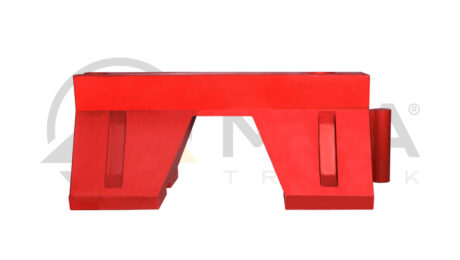
A water-filled barrier is a plastic road safety barrier that is easy to carry while empty and gains weight once filled with water after positioning. It is the practical alternative to concrete barriers for temporary traffic management. Why Choose a Water Barrier? Light and portable: one person can carry it empty; no crane or machinery
- Published in Traffic Safety
Cable Protector Ramps for Events and Job Sites
Thursday, 11 June 2026
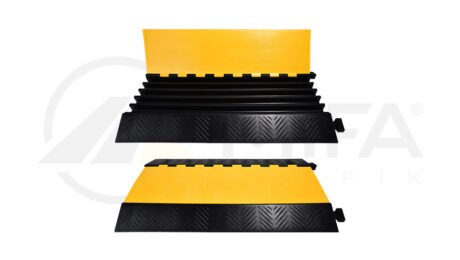
A cable protector ramp is a modular device that shields cables and hoses running across the ground from vehicle and pedestrian traffic. It protects the cable from being crushed and prevents trip-and-fall accidents, which also makes it a standard requirement in health and safety inspections. Where Is It Used? Concerts, fairs and outdoor event areas
- Published in Traffic Safety
Traffic Warning Signs: Types and Correct Placement
Sunday, 07 June 2026

Traffic warning signs prevent accidents by informing drivers about road and environmental conditions in advance. A sign is effective when it is the right sign, in the right place, with sufficient visibility. Types of Signs Hazard warning signs: announce risks such as curves, bumps, pedestrian crossings and school zones. Regulatory signs: state rules such as
- Published in Traffic Safety


